.png)


.png)


May 20, 2026
A Guide to Sales Gamification

Head of Marketing
The idea behind “sales gamification” is to turn the right sales behaviors into visible progress. It sets to accomplish this through:
- Frequent feedback
- Consistent recognition
- Clear goals
- (Healthy) competition
- Motivation that's strong enough to drive action
Done well, it fixes common problems like:
- Leaderboard fatigue
- Low activity
- Disengagement
- Slow ramp time
Sales gamification is usually implemented by using points, leaderboards, badges, contests, and rewards, usually through a digital platform. But, any implementation of sales gamification systems comes with a risk.
When done poorly, sales gamification software can quickly become noise, just another notification in a long list of notifications that we've all grown numb to.
This guide is written for sales managers, VPs of Sales, and RevOps teams who want a gamification program that holds up after week one (or even week two!)
When done poorly, sales gamification software can quickly become noise; just another notification in a long list of notifications that we've all grown numb to.
What is gamification in sales?
Sales gamification is the intentional tying of game mechanics to sales behavior to increase consistency, focus, and performance.
To understand what game mechanics mean, think about your favorite game shows that you watched, maybe while you were home sick as a kid. Think loud celebratory music, a blinking scoreboard that made everything feel urgent, and a host who had a personality that was larger than life.
Even if a typical sales team gamification approach isn’t quite so flashy, it probably contains at least one of the follow elements:
- A scoring model tied to behaviors (wherein behaviors are calls, meetings set, pipeline movement, etc)
- Some sort of progress visualization (dashboards, scorecards, pacing)
- Competition formats (team challenges, head-to-head matchups, combo competitions, time-boxed sprints, brackets)
- Public recognition (public shout-outs, badges, milestone moments)
Most teams already do pieces of this, the difference is just whether it’s designed to change behavior, or just to “make it fun.”
Why not just use a regular leaderboard?
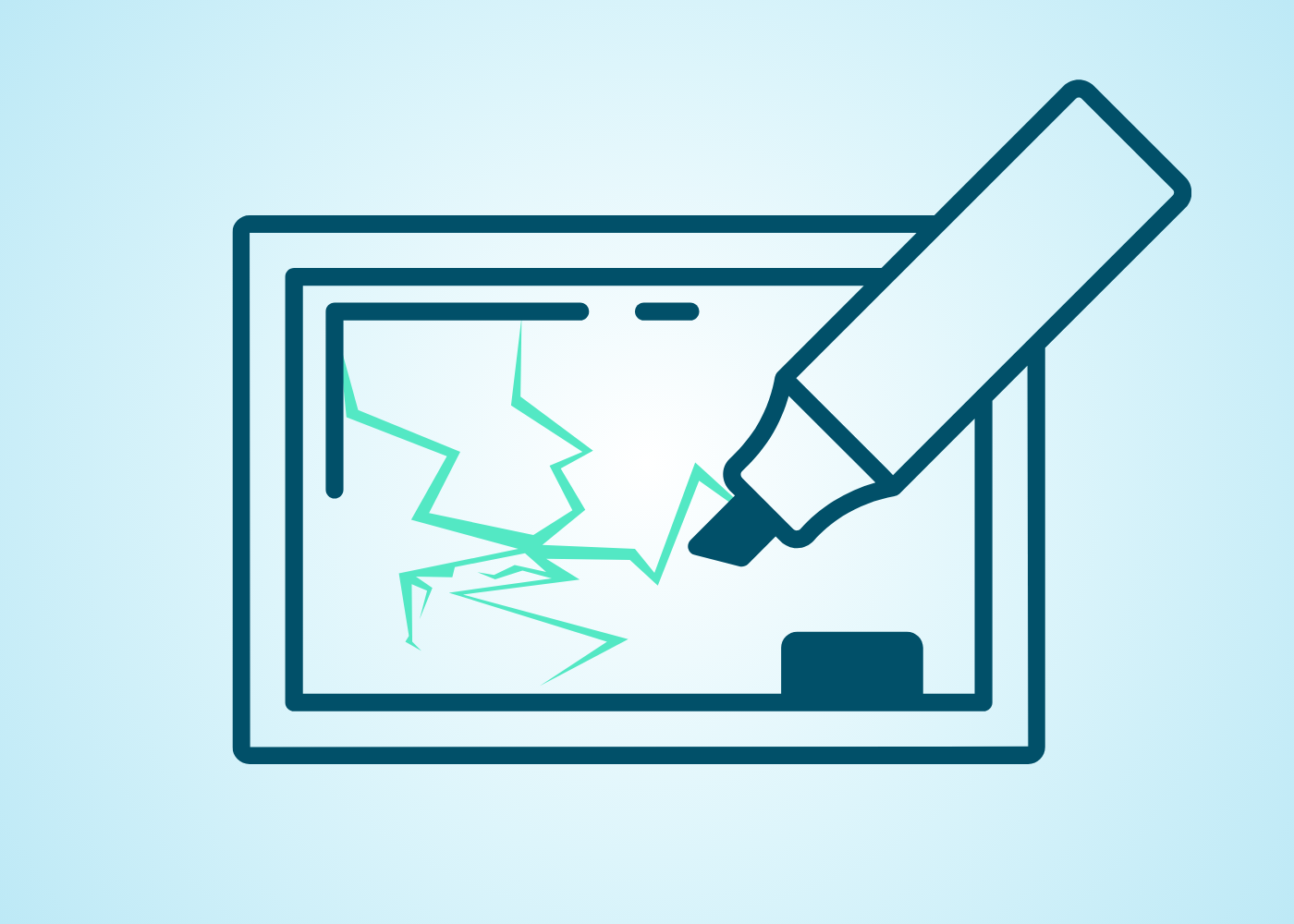
At this point in the article, you may be asking yourself, “hey, isn’t sales gamification a fancy way of describing what can be accomplished with a white board and some trusty erasable markers?”
But the truth is, there is a difference between a sales leaderboard and a sales gamification system.
For one thing, while old-school leaderboards are pretty good at creating urgency, they also create a problem: once reps know they can’t catch the top spot, effort drops.
Research on sales contest leaderboards shows performance can be influenced by a rep’s prior leaderboard position, and low ranks can feel disheartening.
That’s why the best programs give reps more than one way to “win,” such as:
- Tiered goals (rep competes against a realistic benchmark)
- Streaks (consecutive days hitting activity targets)
- Team-based targets (pods win together, social pressure stays constructive)
- Personal bests (beat last week’s output, not somebody else’s territory)
If you only run a single ranking board, you’re designing for the people who already win.

How to build a sales gamification framework
Here’s a framework you can use to design almost any program.
Step 1: Pick the behaviors you can coach
Choose behaviors that are:
- Observable in your CRM
- Repeatable daily or weekly
- Leading indicators for pipeline and revenue
Examples that work well:
- Net-new outbound touches
- Meetings booked, kept, or advanced
- Stage progression on qualified opps
- CRM hygiene tasks that reduce forecast friction
Step 2: Build a scoring model that reflects reality
A simple model usually beats a complex one.
Weight behaviors based on:
- Effort required
- Correlation to pipeline movement
- Risk of gaming
Step 3: Design feedback loops that hit fast
If the rep’s “score” updates once a week, it’s already dead.
Aim for:
- Same-day progress visibility
- Mid-week pacing indicators
- Automatic recognition moments
Academic work on gamification highlights mechanisms like goals, progress tracking, rewards, and prompts as key levers for engagement.
Step 4: Make the reward mostly about recognition
Cash works, and it also creates weird behavior if it’s the only lever.
Recognition that works in sales:
- Visible wins tied to behaviors
- Manager call-outs linked to a specific action
- Badges that mark skill growth, not just volume
SDR teams
SDR orgs run on volume, so keep the focus on high-velocity activity that turns into pipeline.
Run competitions and scorecards on:
- Meeting-setting behaviors you can trust in Salesforce (connect-to-meeting conversion, meeting creation, clean follow-through)
- Response-time and follow-up discipline captured in CRM activity timestamps
- Consistency mechanics like streaks and goal tracking so reps can build momentum day over day
Avoid:
- Single-metric “most activity wins” contests that inflate noise instead of improving outcomes. Use smarter metrics and weighted points so the leaderboard reflects what actually matters.
Account Executives
AEs need incentives that reflect deal motion, not raw volume. Use CRM data to reinforce execution discipline.
Run competitions and scorecards on:
- Next-step discipline after customer meetings (logged follow-ups, timely stage movement, consistent opportunity hygiene)
- Pipeline momentum signals you can measure in Salesforce, using advanced formula metrics when one field doesn’t tell the story
Avoid:
- Closed-won-only contests that skew toward short-cycle books of business. Favor fair scoring formats and configurable tiers so competition stays credible across different deal cycles.
Sales managers
Managers scale performance when coaching is consistent and tied to data.
Run competitions and scorecards on:
- Coaching execution: completion of structured coaching cadences and documented coaching moments in Salesforce
- Rep development progress tied to measurable behaviors, reinforced through coaching recommendations and performance trends
This is where LevelEleven shifts from “a contest” into a repeatable operating rhythm: visibility in scorecards, behavior focus through competitions, and improvement through coaching.

Remote or hybrid teams
The job is rebuilding visibility and recognition so performance stays social, even when the team isn’t.
Run competitions and scorecards on:
- Real-time leaderboards and pacing visibility that make progress obvious during the week
- Recognition that resonates through badges and Channel11-style moments that reinforce winning behaviors in real time
- Team-based competition using Squads/Teams so accountability stays constructive and participation stays high
Sales gamification ideas that work for remote teams
Remote gamification works when it stays lightweight and genuinely social. You’re trying to replace the “heard it in the room” moments that disappear when everyone’s on mute.
Try:
- Async celebration posts when a rep hits a milestone, with a quick screenshot of the metric and one line on what they did differently
- “Beat the clock” booking sprints where everyone blocks the same 25–45 minutes and runs one focused motion (follow-ups, reactivations, meeting reschedules)
- Win-stories where a rep shares the exact message that earned a reply, plus the setup around it (who they sent it to, why it worked, what they’d change next time)
- Rotating team captains who run a weekly micro-challenge and pick the theme based on what the team needs (speed to first touch, clean next steps, meeting prep discipline)
- A simple weekly recap that calls out progress and recognizes effort so momentum doesn’t depend on one big contest
Consistency matters more than raw volume. Remote teams burn out fast when the game feels like another dashboard they can’t win.
Gamifying onboarding to cut ramp time
Onboarding gamification works when it removes ambiguity. A new rep shouldn’t have to guess what “good” looks like, or wait two weeks to find out they’ve been practicing the wrong motion.
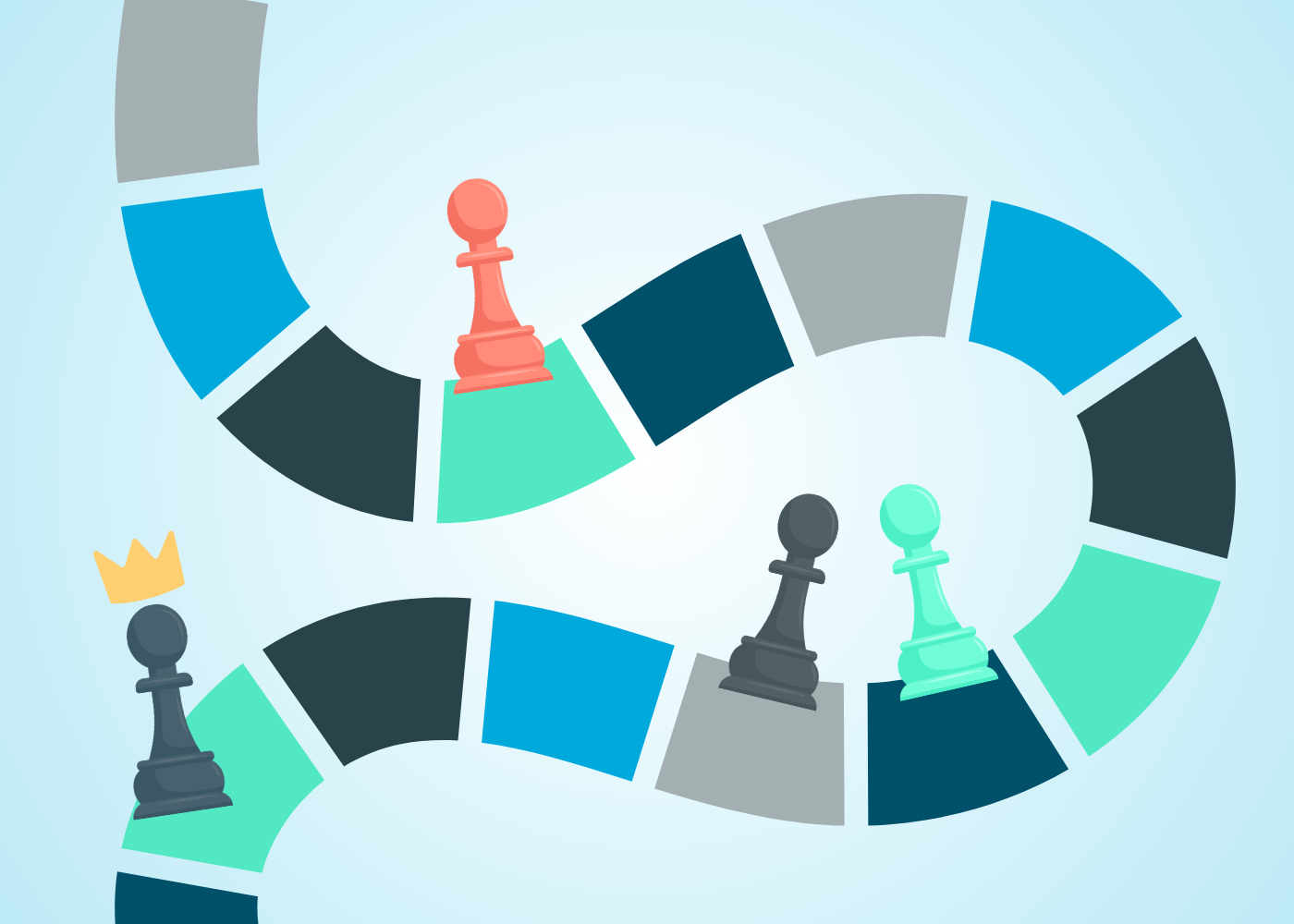
Build it like a guided path. Make progress obvious. Keep the rules stable.
What to include
- Milestone badges tied to real competencies (discovery fundamentals, objection handling, product narrative, call control, CRM basics)
- Scenario-based quizzes that use real situations your team sees, so the rep is practicing judgment, not memorizing slides
- Meeting-setting goals that start small and scale based on consistency and quality, not a single hot week
- Manager checkpoints baked into the cadence with a short feedback loop: what went well, what to change, what “next week” looks like
- Progress visibility so the rep can self-correct early, before a manager has to intervene

In short: Sales gamification is a system, not a stunt
Sales gamification fails when it’s treated like a temporary adrenaline shot. Like a flashy contest thrown together to fix a bad month, only to be forgotten by week three. It succeeds when it becomes a natural part of your team's workday.
By shifting the focus from a single, demoralizing winner-take-all leaderboard to targeted behavior design, you can cause an energy shift within your sales org. Your top performers have a platform to shine, your middle tier has a realistic path to improve, and your new hires have a clear map to ramp up successfully.
Sales gamification FAQ
Does gamification work for enterprise sales?
Yes, when you gamify deal motion and account coverage behaviors rather than closed-won volume. Enterprise cycles need pacing indicators and milestone-based progress.
Should we reward outcomes or activities?
Mostly activities, as long as you choose activities that correlate with pipeline movement. Outcomes are lagging and can punish strong reps in long-cycle territories.
How do we keep mid-pack reps engaged?
Use tiers, streaks, and personal benchmarks so progress feels achievable. Research on leaderboard dynamics highlights the emotional downside of consistently low ranks.
What’s the fastest “first win” program to launch?
A two-week sprint tied to meeting booking behaviors, with pacing and daily recognition. Keep the scoring simple so reps can understand it immediately.