.png)


.png)



May 12, 2026
What is Sales Performance Management?

Head of Marketing
Sales Performance Management (SPM) is the process of overseeing a team’s coverage, execution, and results in a centralized place. The ideal outcome is more streamlined day-to-day execution for the entire team and, ultimately, better revenue outcomes.
In more traditional sales environments, teams might rely on a combination of disconnected spreadsheets, static reports, and end-of-quarter dashboards to make critical decisions. Sales Performance Management aims to combine all of the data that’s important to Sales Ops, RevOps, and Finance teams in the same place.
This way, leaders can adjust coverage, reps can prioritize the right accounts, and managers can coach the behaviors that have proven to move pipeline.
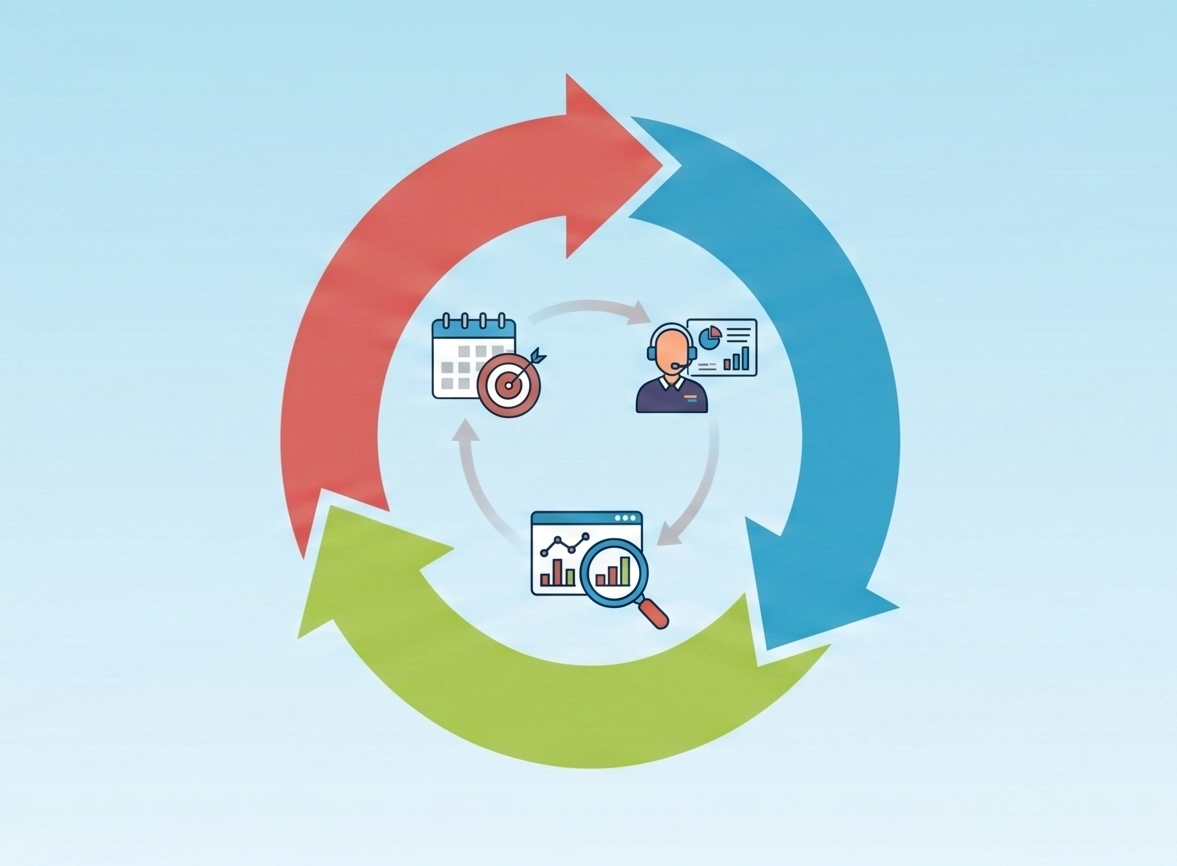
Sales Performance Management can feel complex because it spans a lot of moving parts. A simple way to look at SPM is to see it as three main pillars:
- Planning (how leadership decides on coverage and goals)
- Execution (how sellers spend their time and move deals forward)
- Results (also called growth, this is where you measure what worked and adjust for what’s next)
Why implement a Sales Performance Management system?
Organizations implement a Sales Performance Management system to make revenue execution more predictable and profitable. When done well, SPM creates an operating model that stays reliable even as the organization grows and coverage changes.
Instead of running planning in spreadsheets and measuring performance after the fact, SPM creates a single cadence that connects planning to day-to-day execution.
Leaders get early visibility into whether coverage and pipeline are on track, mnagers get consistent signals for coaching and course correction, and sellers get clarity on how well they're delivering on what's expected of them.
The result is less time spent reconciling numbers and debating ownership, and more time improving execution in ways that lift forecast confidence and productivity.
"Instead of running planning in spreadsheets and measuring performance after the fact, SPM creates a single cadence that connects planning to day-to-day execution".
Sales Performance Management vs. DIY solutions
We've established that Sales Performance management is a connected system for planning, execution, and performance tracking. Here is a deeper at look at what makes this approach truly different from the alternative of dashboards and sheets.
Where work happens:
- SPM: Inside the workflow reps and managers already use.
- DIY sales ops stack: Split across docs, tools, and ad hoc processes.
Source of truth:
- SPM: One set of definitions and one set of numbers.
- DIY sales ops stack: Multiple versions of "truth", depending on who exported last.
Territory changes:
- SPM: Versioned planning with controlled rollouts.
- DIY sales ops stack: Manual edits and copy-paste, usually with stale inputs.
Ownership and routing:
- SPM: Versioned planning with controlled rollouts.
- DIY sales ops stack: Manual edits and copy-paste, usually with stale inputs.
Performance visibility:
SPM: Real-time pacing and consistent scorecards.
DIY sales ops stack: Lagging reports, then a scramble when gaps show up late.
Coaching
SPM: Structured coaching workflows tied to real activity data.
DIY sales ops stack: Coaching quality depends on the manager and their spreadsheet.
Forecast confidence
SPM: Stronger because inputs and inspection are standardized.
DIY sales ops stack: Harder because inspection varies and data hygiene slips.
Cost profile
SPM: Higher upfront investment, lower ongoing ops load.
DIY sales ops stack: Lower upfront cost, higher ongoing “people tax” in ops time.
The three pillars of Sales Performance Management
Pillar One: sales planning & territory optimization
The first component of Sales Performance Management is planning. For many teams, sales planning starts with territory planning. Territory planning involves understanding:
- Which accounts belong where
- How to segment a market (like geo, vertical, or named accounts)
- What to optimize for (like revenue, capacity, or service levels)
Done well, territory planning prevents the two classic failure modes, when reps either sit on thin patches or reps drown in opportunity. Or worse, the team has reps doing both.
When territories are balanced and measurable, quotas stop being political. Teams can align goals to what a territory can realistically produce, then adjust when coverage or capacity changes.
There are three ways territory planning can move from a one-time exercise to an operating system:
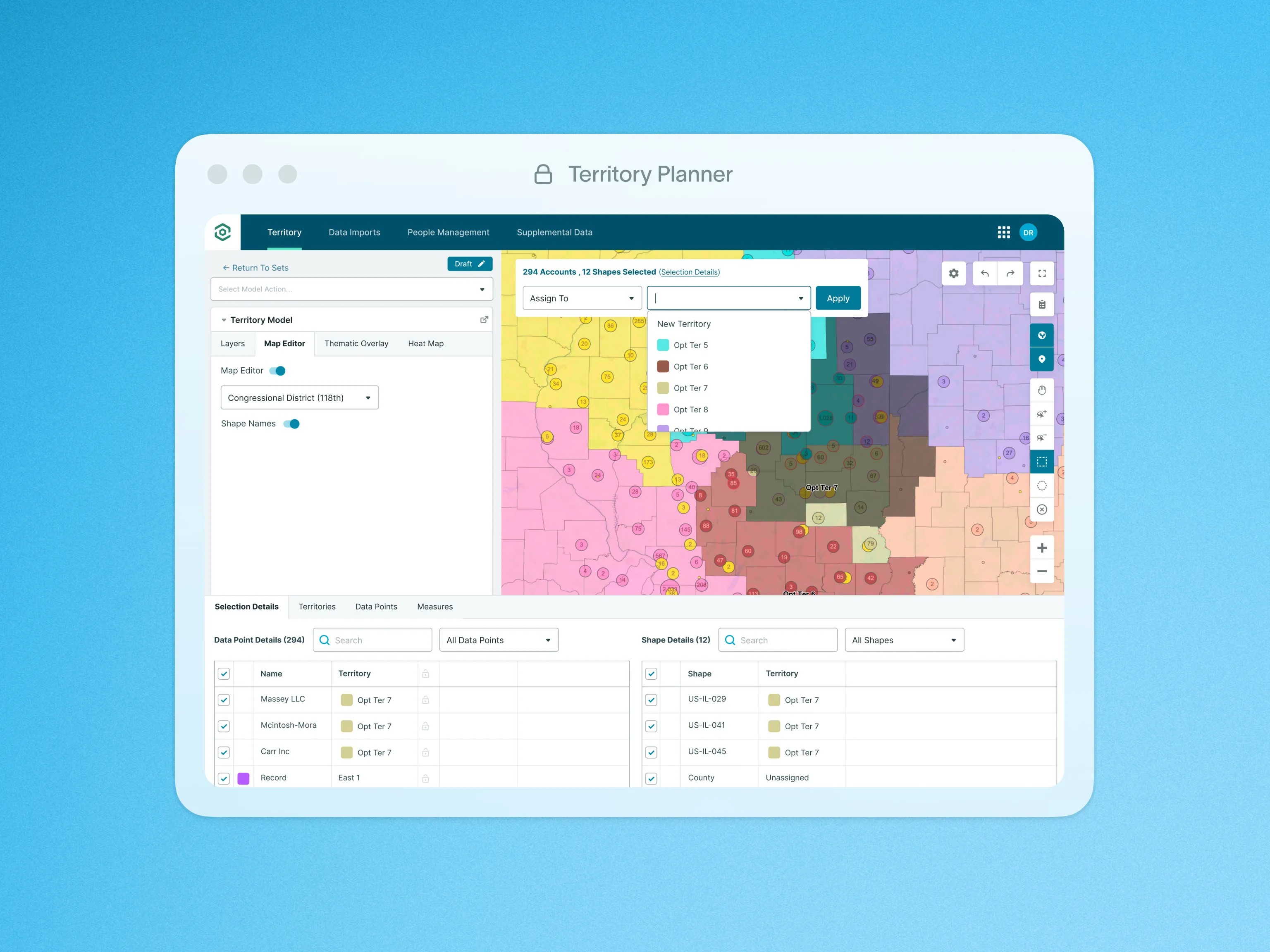
- "What-if?" scenario planning: With model-based planning, you can evaluate changes (new hires, attrition, expansion) before rolling them out broadly.
- Map-based visualizations: Shape libraries, model editors, and geographic visualization help teams spot gaps and overlaps quickly.
- Seamless hand-offs and routing: Automated assignment by shape reduces manual routing and helps shorten deal cycles by getting accounts and leads to the right rep faster.
Pillar two: sales execution & activity management
The second component of SPM is execution. This is where coverage decisions turn into customer conversations. For most teams, sales execution comes down to picking the right next action and capturing it cleanly (ideally in the CRM).
Sales execution usually involves:
- Prioritization: deciding which accounts matter today, based on what’s happening in the territory right now
- Daily planning: turning that priority into a realistic schedule, especially for field teams
- Follow-through: logging the outcome fast so the CRM reflects reality and handoffs don’t stall

Even a solid territory plan can fall apart here. Reps default to what’s easiest, not what’s highest value. Managers lose visibility. Field time gets burned on avoidable admin.
There are three ways sales execution can move from busywork to a repeatable motion:
- In-the-moment prioritization: map-based views and proximity context help reps choose the next best stop without digging through tabs
- Route and day planning that holds up: lightweight scheduling and routing reduce wasted drive time and make it easier to adjust when plans change
- Ownership that enforces itself: automated assignment and clean routing keep leads and accounts moving to the right rep, without manual triage
Pillar Three: monitoring, measurement & feedback loops
The third component of Sales Performance Management is monitoring and measuring. This is how teams keep execution on track week to week. For most orgs, this lives in the space between reps’ daily activity and leadership’s number.
Monitoring and measuring usually involves:
- Targets and pacing: knowing if you’re ahead or behind before it’s too late to course-correct
- Behavior tracking: watching the inputs that actually drive pipeline, not just the output
- Manager follow-through: turning data into better 1:1s, not more dashboards
Without this layer, teams react late. Reps hear about problems after the forecast misses. Managers spend time hunting for answers instead of coaching. While monitoring tracks the activity, it also serves as the source of truth for incentive compensation, ensuring that rep payouts are tied directly to the performance behaviors that drive the most value.
There are three ways monitoring can move from reporting to a system that changes behavior:
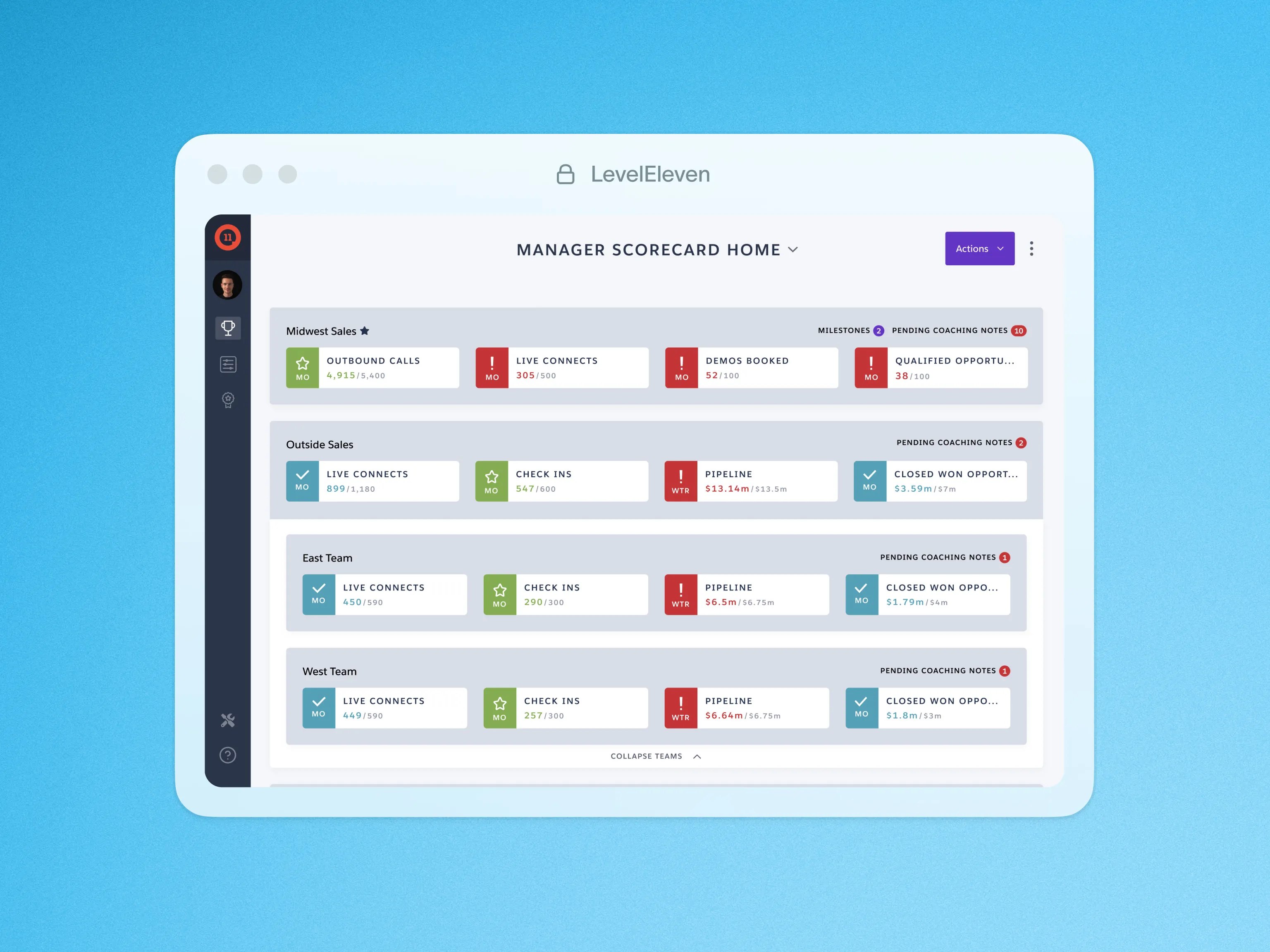
- Real-time scorecards and pacing: keep goals visible and show the gap early, while there’s still time to act
- Focus mechanisms that make progress public: leaderboards surface momentum. Competitions keep attention on the right KPI. Milestones and recognition reinforce the habits you want repeated
- Structured coaching that stays tied to data: consistent cadences, shared templates, and coaching notes in the CRM keep managers aligned and reps clear on what to improve next
Other important elements of Sales Performance Management
Executive dashboards that show org health
Leadership needs a clear view of attainment, pipeline, and coverage without waiting for a custom report build. Insights adds an AI-powered layer that turns Salesforce data into clearer decisions and execution strategies.
Trend analysis: replicate top-performer behaviors
Performance patterns are usually visible—if you’re looking at the right indicators. Insights helps surface what high performers do differently so managers can coach the team toward repeatable behaviors.
Sales velocity tracking and attainment heat maps
Velocity is where process and behavior meet. Visual analytics like thematic overlays and heat maps help leaders see where performance is strong, where it’s breaking down, and which segments need attention first.
Customizable KPIs by role
SDRs, AEs, and CSMs shouldn’t be judged by the same scoreboard. Role-based KPIs keep expectations realistic and coaching specific.
Forecast discipline and pipeline inspection
Dashboards don’t replace a weekly rhythm. You still need a consistent way to review pipeline movement, spot risk early, and document next steps so the forecast isn’t a late-stage scramble.
Alerts and nudges in the flow of work
The fastest teams don’t wait for someone to notice a problem on a dashboard. They push signals to reps and managers when key activity drops, a deal stalls, or a territory goes quiet—then tie it to an action.
Coaching workflows that create accountability
Metrics only matter if they change what happens in 1:1s. Structured cadences, templates, and coaching notes anchored to CRM data keep feedback consistent and easier to track over time.
Recognition and incentives tied to the right behaviors
If you want repeatable performance, reward the behaviors that create it. That can be lightweight recognition, goal pacing, or gamified moments—anything that reinforces the inputs you care about.
Data quality and governance
SPM breaks when the CRM turns into a “maybe.” Clear definitions, required fields where it counts, and guardrails around ownership keep your analytics credible and your routing clean.
Sales Performance Management: the Ascent Cloud vision
Ascent Cloud’s version of sales performance management is built to close the gaps that usually break revenue execution: planning that doesn’t match reality, execution that isn’t guided day to day, and measurement that shows up too late to change outcomes. It connects territory and coverage decisions to the workflows reps actually follow, keeps ownership and routing consistent as things change, and gives leaders and managers clear performance signals they can act on—so coaching is tied to real behaviors, not anecdotes. The result is a tighter loop: plan with data, execute with focus, measure early, and adjust with confidence.
FAQs
What is Sales Performance Management (SPM)?
SPM is the set of processes and tools used to plan sales coverage and quotas, manage execution through performance tracking and coaching, and optimize results using analytics and insights (often including incentive management and performance visibility).
Why does Salesforce-native SPM matter?
Salesforce-native SPM reduces sync issues, improves adoption, and keeps planning and performance signals connected to the actual CRM records reps and managers use every day.
What’s included in Ascent Cloud’s approach to SPM?
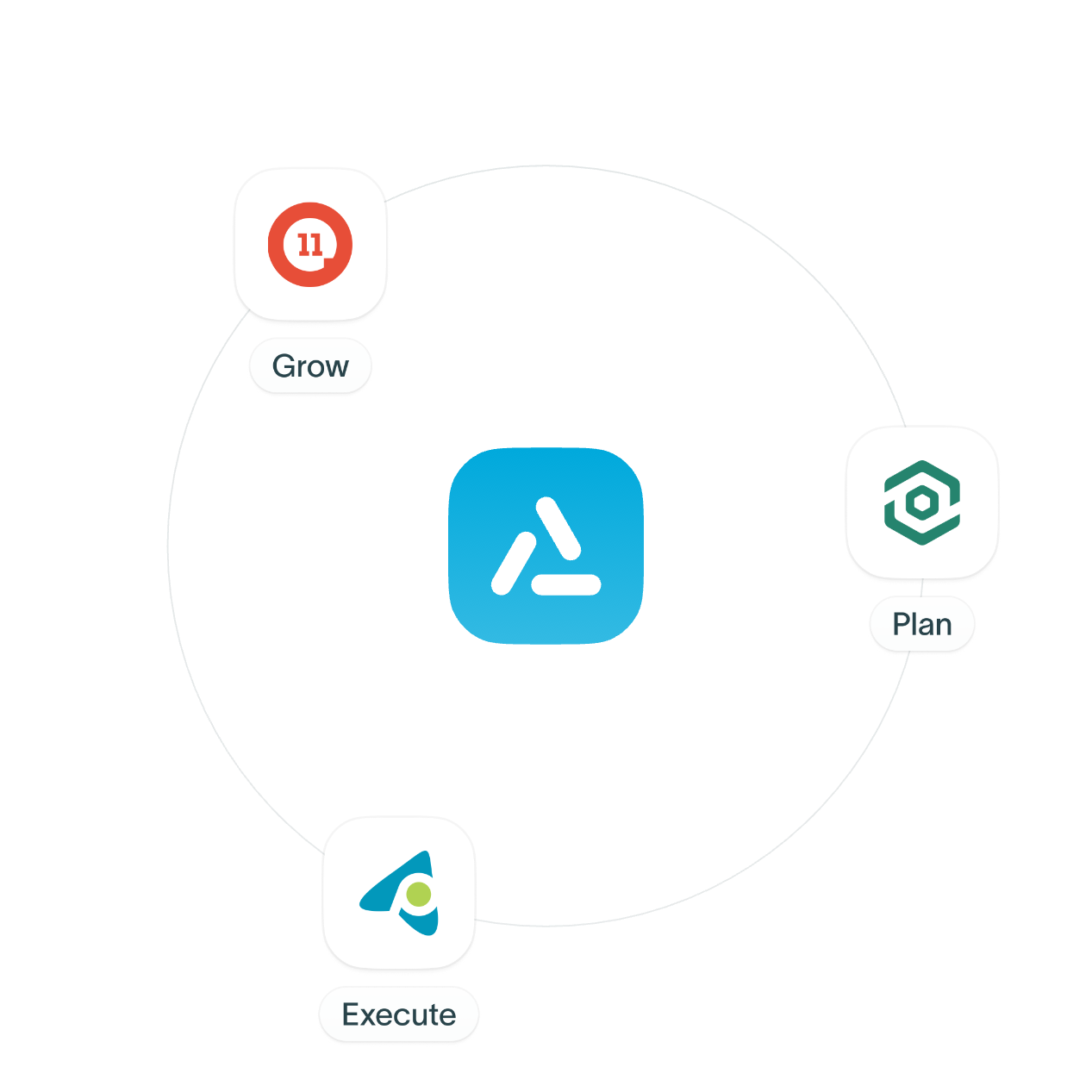
Ascent Cloud connects territory and quota planning (Territory Planner), field execution and mapping (Geopointe), performance execution with coaching and gamification (LevelEleven), and an AI-powered Insights layer, built to operate inside Salesforce.