.png)



.png)



January 12, 2026
From Territory Design to Rep Execution: Where Revenue Strategy Usually Breaks

Head of Marketing
Most revenue leaders don’t struggle with strategy.
They struggle with translation.
The territory model looks great. Coverage is balanced. Quotas feel fair. The plan checks every box.
And then… the quarter starts.
Reps work the wrong accounts. Coverage drifts. Field activity doesn’t match the design. Managers react late. Performance gaps show up after the damage is done.
This is where revenue strategy usually breaks—not in planning, but in execution.
And the reason is simple: most teams still run planning, field execution, and performance management as separate motions.
.webp)
In theory, revenue strategy flows like this:
Design smart territories → Execute consistently → Reinforce the right behaviors → Grow predictably
In practice, it looks more like this:
- Territories are designed once (or twice a year) and treated as static
- Field activity evolves daily, but visibility lags
- Performance data shows what happened, not why
- Managers spend more time reacting than guiding
The result isn’t bad planning—it’s disconnected execution.
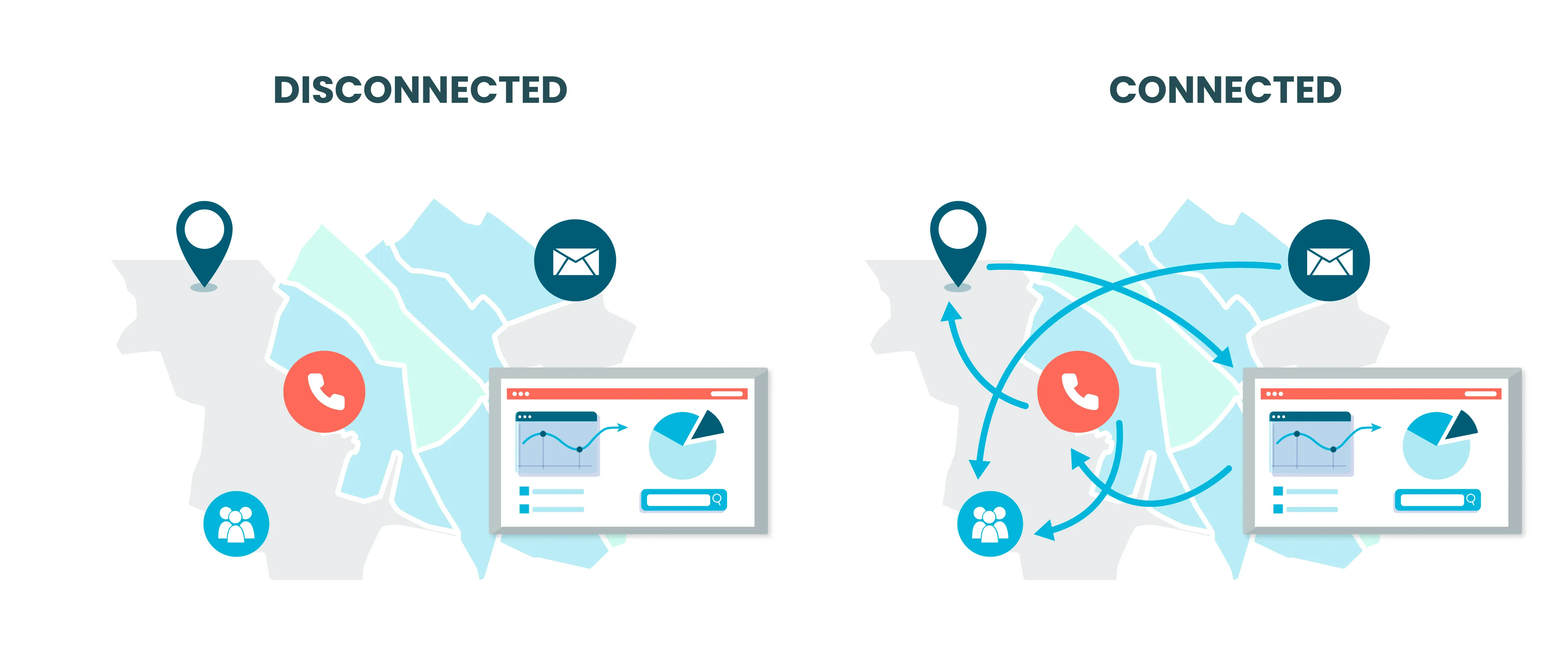
Territory strategy lives in one place. Rep activity lives in another. Performance insights live somewhere else entirely.
And without a feedback loop connecting all three, even the best strategy breaks down.
Where Execution Starts to Drift
Execution gaps don’t show up all at once. They build quietly over time.
Coverage Gaps Appear Quietly
Accounts may be assigned, but attention shifts quickly. Reps focus on what’s easiest to reach or already active, while lower-visibility accounts slowly fall out of rotation. On paper, coverage looks intact. In reality, whitespace grows until it shows up as missed pipeline later in the quarter.
Rep Effort Becomes Misaligned
Without clear territory context, reps rely on habit. They spend more time in familiar areas or on lower-value meetings that feel productive but don’t move the needle. Activity increases, but effort drifts away from where opportunity actually exists.
Managers Lose Leverage
Performance data highlights issues after the fact. By the time trends are visible, weeks of field activity are already locked in. Coaching becomes corrective rather than directional, and territory changes feel reactive instead of intentional.
None of this is a rep problem. And it’s rarely a strategy problem.
It’s a connection problem.
Strategy Breaks When Planning and Execution Don’t Talk
Territory design shouldn’t end once assignments are finalized.
Execution shouldn’t happen without geographic and strategic context.
Performance management shouldn’t operate without understanding where results are being created—or lost.
When these systems are disconnected, leaders are left asking questions too late:
- Are our territories still balanced based on real activity?
- Is field effort aligned with opportunity and coverage goals?
- Which behaviors are actually driving results in specific regions?
By the time those answers surface, the quarter is already gone.
Turning Strategy Into Action Requires a Connected Motion
High-performing revenue teams approach this differently.
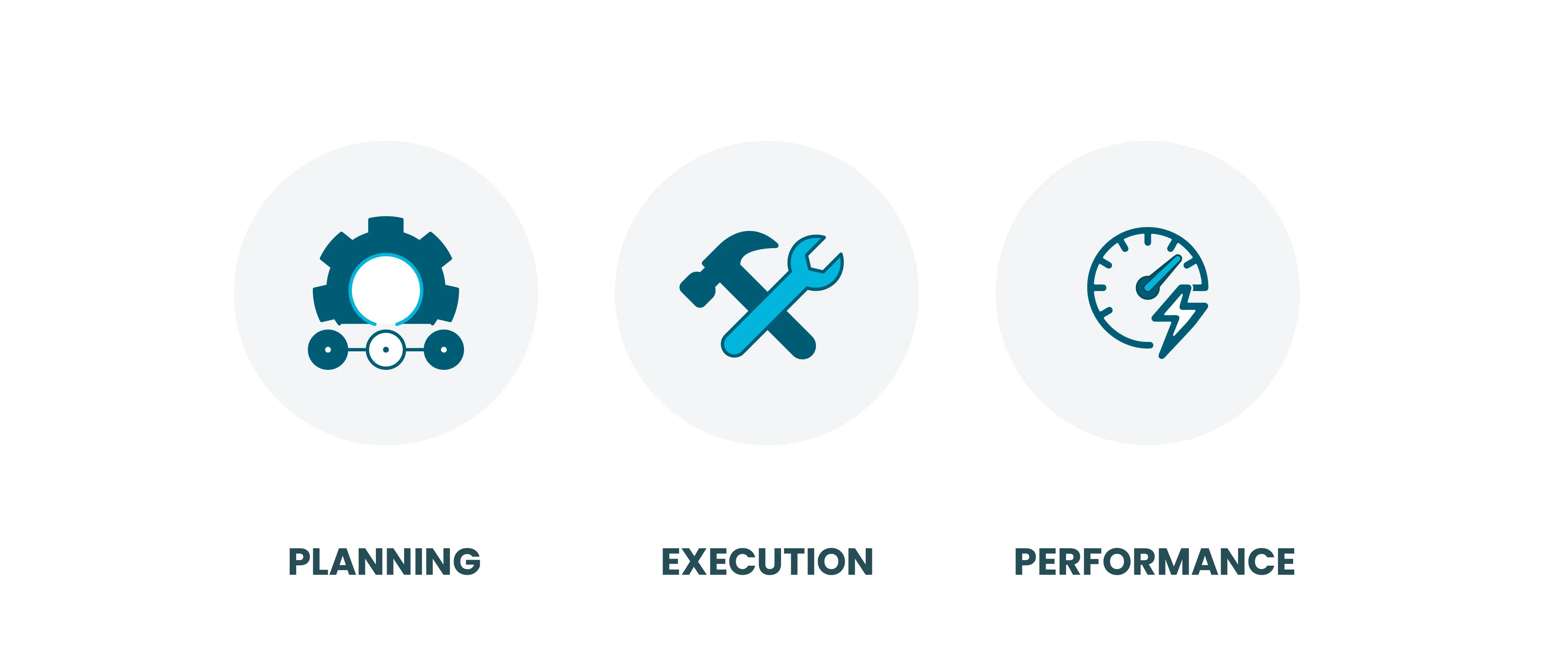
They treat territory planning, execution, and performance as a continuous system, not a one-time handoff.
That means:
- Territory decisions stay informed by real field activity
- Reps are guided by geographic and performance context, not just account lists
- Managers coach based on where and why performance is breaking—not just who
Instead of static plans and lagging dashboards, strategy becomes something teams can act on weekly—not quarterly.
From Planning → Execution → Performance (and Back Again)
When planning, execution, and performance are connected:
- Territory adjustments are proactive, not disruptive
- Field effort aligns with coverage and opportunity in real time
- Coaching reinforces behaviors that matter in specific contexts
The strategy doesn’t just exist—it shows up in how reps work their day, how managers coach their teams, and how leaders steer the business.
This is how revenue teams move from reacting to results to shaping them.
.webp)
The Path Forward
Most teams don’t need more strategy decks.
They need a better way to turn strategy into daily action—without adding friction for reps or managers.
That starts by connecting how territories are designed, how work happens in the field, and how performance is measured and coached.
Because when those pieces move together, strategy finally holds.
Explore how teams turn strategy into action
See how modern revenue teams connect territory planning, field execution, and performance to drive consistent results.