.png)


.png)


February 9, 2026
Why Sales Performance Breaks at Scale (and Why Dashboards Aren’t Enough)

Head of Marketing
As sales organizations grow, something unexpected happens.
Pipeline looks healthy. Activity is up. Dashboards are full.
And yet—performance stalls.
Leaders sense it in missed forecasts, uneven coverage, inconsistent execution, and coaching that feels reactive instead of strategic. Reps feel it in constant changes, unclear priorities, and tools that don’t quite line up with how they actually work.
The problem isn’t effort.
And it’s not a lack of data.
It’s that sales performance breaks when complexity outpaces coordination—and dashboards alone can’t fix that.
The Hidden Cost of Scale
Early-stage sales teams operate on instinct and proximity. Everyone knows the territories. Everyone sees the pipeline. Adjustments happen quickly.
At scale, that breaks down.
Growth introduces:
- More reps, roles, and segments
- More territories and coverage models
- More tools layered on over time
- More handoffs between strategy, execution, and performance
What was once a tight feedback loop becomes fragmented.
Territory changes don’t reach the field fast enough.
Execution doesn’t match the plan.
Coaching lags behind reality.
And leaders respond the way most teams do: with more dashboards.
Why Dashboards Don’t Drive Performance
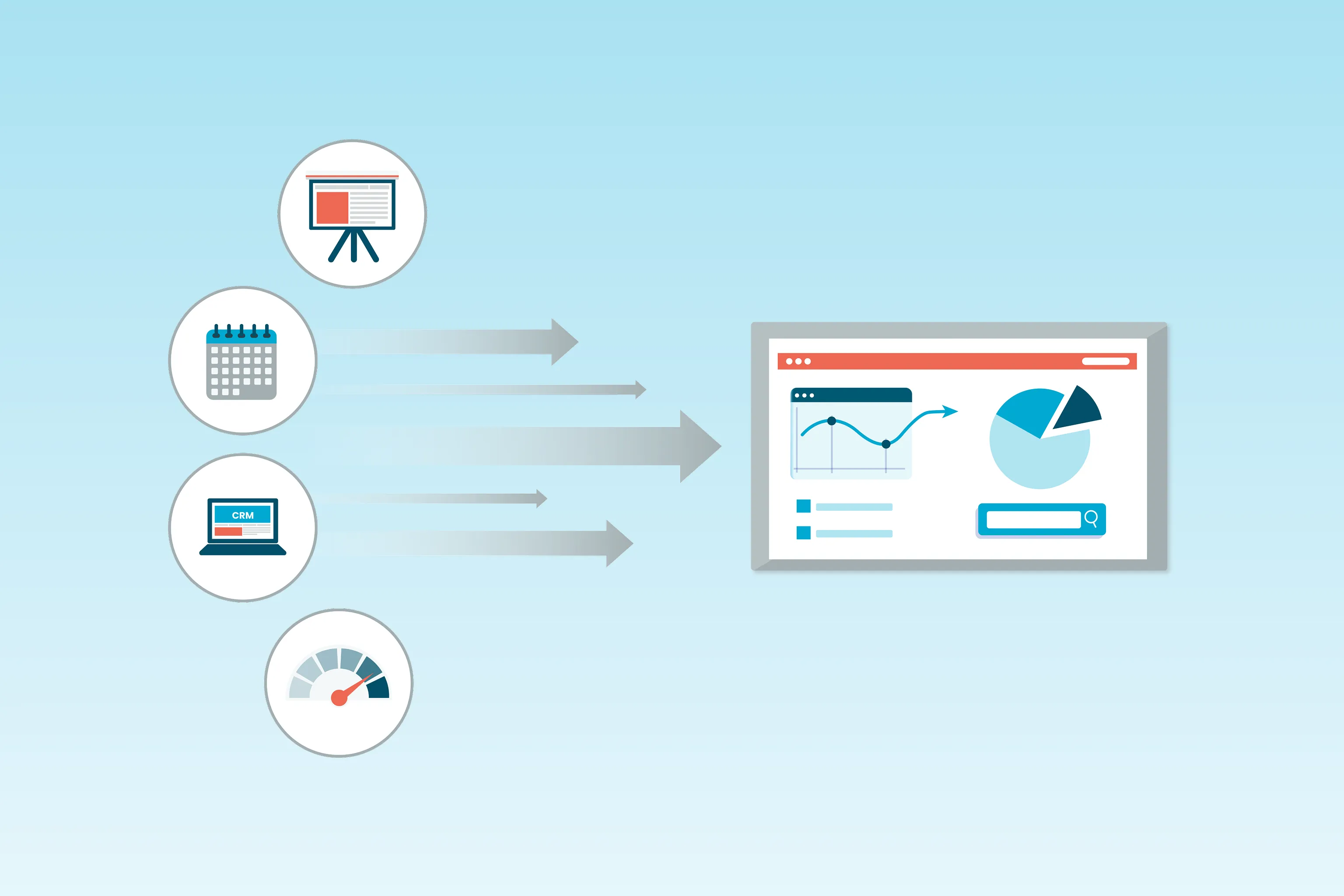
Dashboards are great at showing what happened.
They are far less effective at driving what should happen next.
At scale, dashboards often:
- Live separately from daily workflows
- Update too late to influence behavior
- Show outcomes without context
- Create reporting overhead without clarity
The result?
Teams know the numbers—but not how to change them.
Performance doesn’t improve because visibility without connection doesn’t create action.
The Real Breakdown: Disconnected Systems
Sales performance rarely fails because of one bad decision. It fails because the system itself isn’t connected.
Common failure points:
- Territory strategy lives in spreadsheets or slide decks
- Field execution happens in isolation
- Performance metrics surface after the fact
- Coaching relies on incomplete or outdated data
Each piece works on its own. Together, they don’t.
When planning, execution, and performance aren’t connected:
- Territory changes create confusion instead of focus
- Reps waste time instead of maximizing coverage
- Managers react instead of coaching proactively
- Leaders lose confidence in forecasts
This isn’t a data problem.
It’s a systems problem.
Sales Performance Is a System—Not a Report
High-performing revenue teams treat sales performance as a continuous system, not a series of reports.
That system connects:
- Plan — territories, coverage, and capacity
- Execute — field activity, routing, and daily work
- Grow — coaching, scorecards, and performance management
When those elements operate together:
- Strategy flows directly into execution
- Execution feeds real-time performance insights
- Performance data drives focused coaching
- Adjustments happen quickly and confidently
This is how teams scale without losing control.
What Modern Sales Performance Looks Like
Modern sales performance management doesn’t start with dashboards—it starts with alignment.
The most effective teams:
- Design territories with execution in mind
- Give reps clarity on where to focus and why
- Coach from leading indicators, not lagging results
- Connect planning, execution, and performance in one system
Instead of reacting to broken outcomes, they manage the system itself.
From Insight to Action
If your sales organization feels harder to manage as it grows, you’re not alone.
Performance doesn’t break because teams stop working hard.
It breaks because disconnected tools can’t keep up with scale.
The teams that win don’t add more dashboards—they build systems that turn strategy into action and action into results.